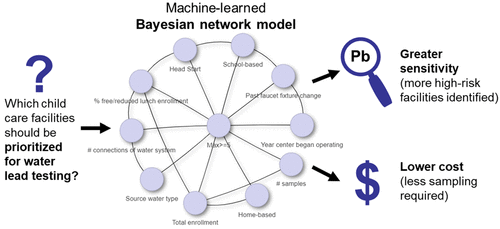
Improved Decision Making for Water Lead Testing in U.S. Child Care Facilities Using Machine-Learned Bayesian Networks. (2023). Environmental Science and Technology. https://doi.org/10.1021/acs.est.2c07477.
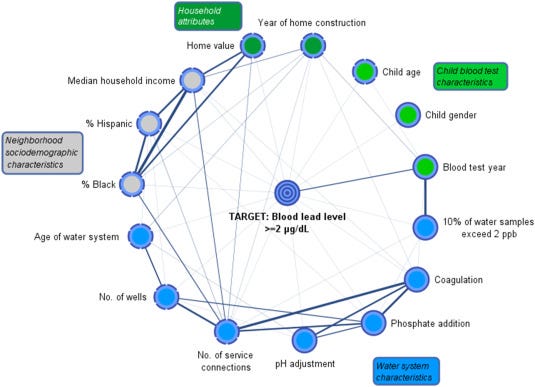
A new approach to a legacy concern: Evaluating machine-learned Bayesian networks to predict childhood lead exposure risk from community water systems. Environmental Research. (2022). https://doi.org/10.1016/j.envres.2021.112146
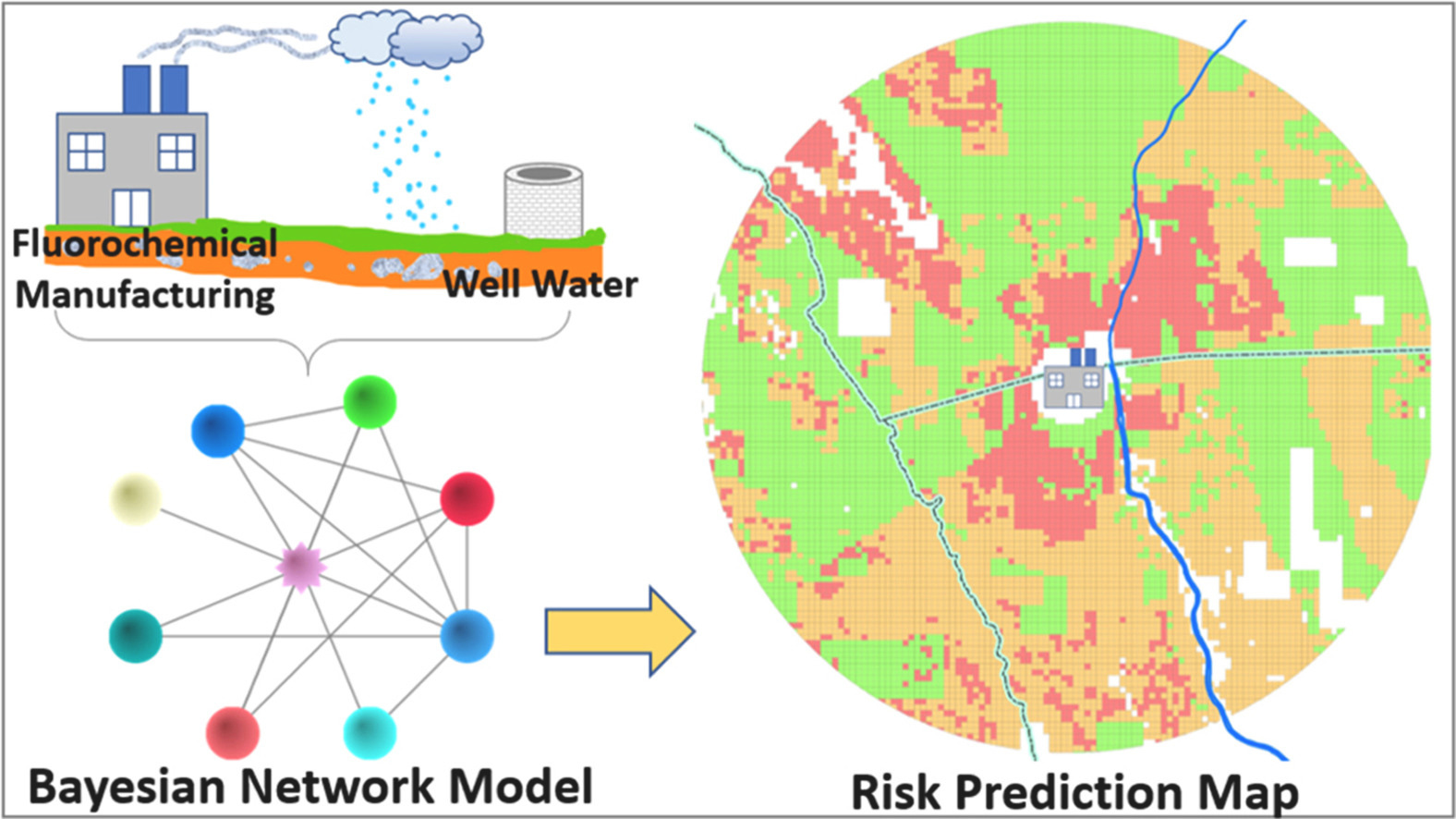
Predicting the risk of GenX contamination in private well water using a machine-learned Bayesian network model. (2021). Journal of Hazardous Materials. https://doi.org/10.1016/j.jhazmat.2021.125075
Community engaged environmental health
Effect of Community Water Service on Lead in Drinking Water in an Environmental Justice Community. (2024). Environmental Science and Technology.https://doi.org/10.1021/acs.est.3c01341.
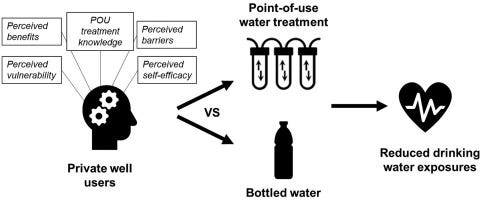
User experience of point-of-use water treatment for private wells in North Carolina: Implications for outreach and well stewardship. (2022). Science of the Total Environment. https://doi.org/10.1016/j.scitotenv.2021.150448.
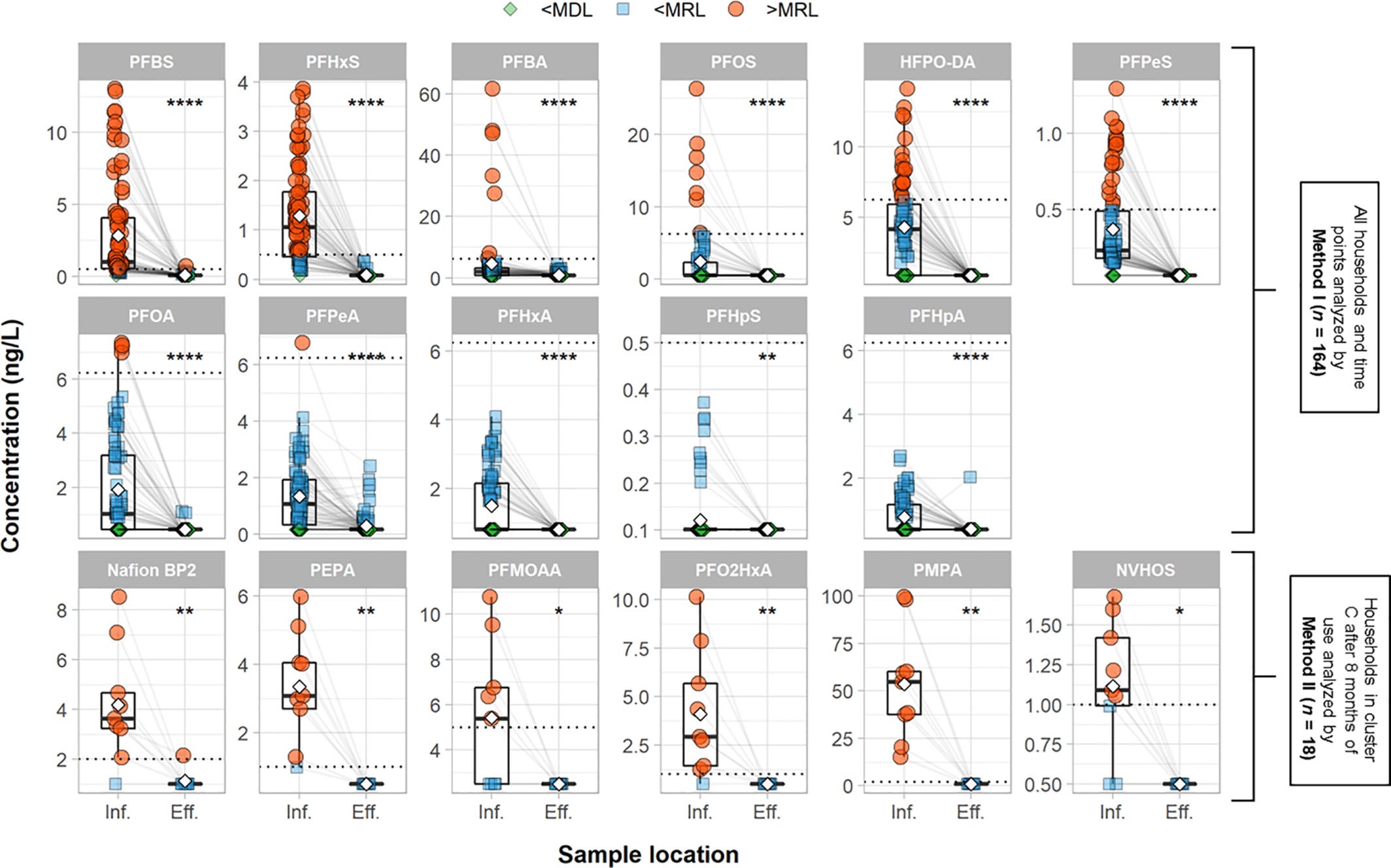
Longitudinal assessment of point-of-use carbon filters for removal of per- and polyfluoroalkyl substances from private well water. (2021). AWWA Water Science. https://doi.org/10.1002/aws2.1262
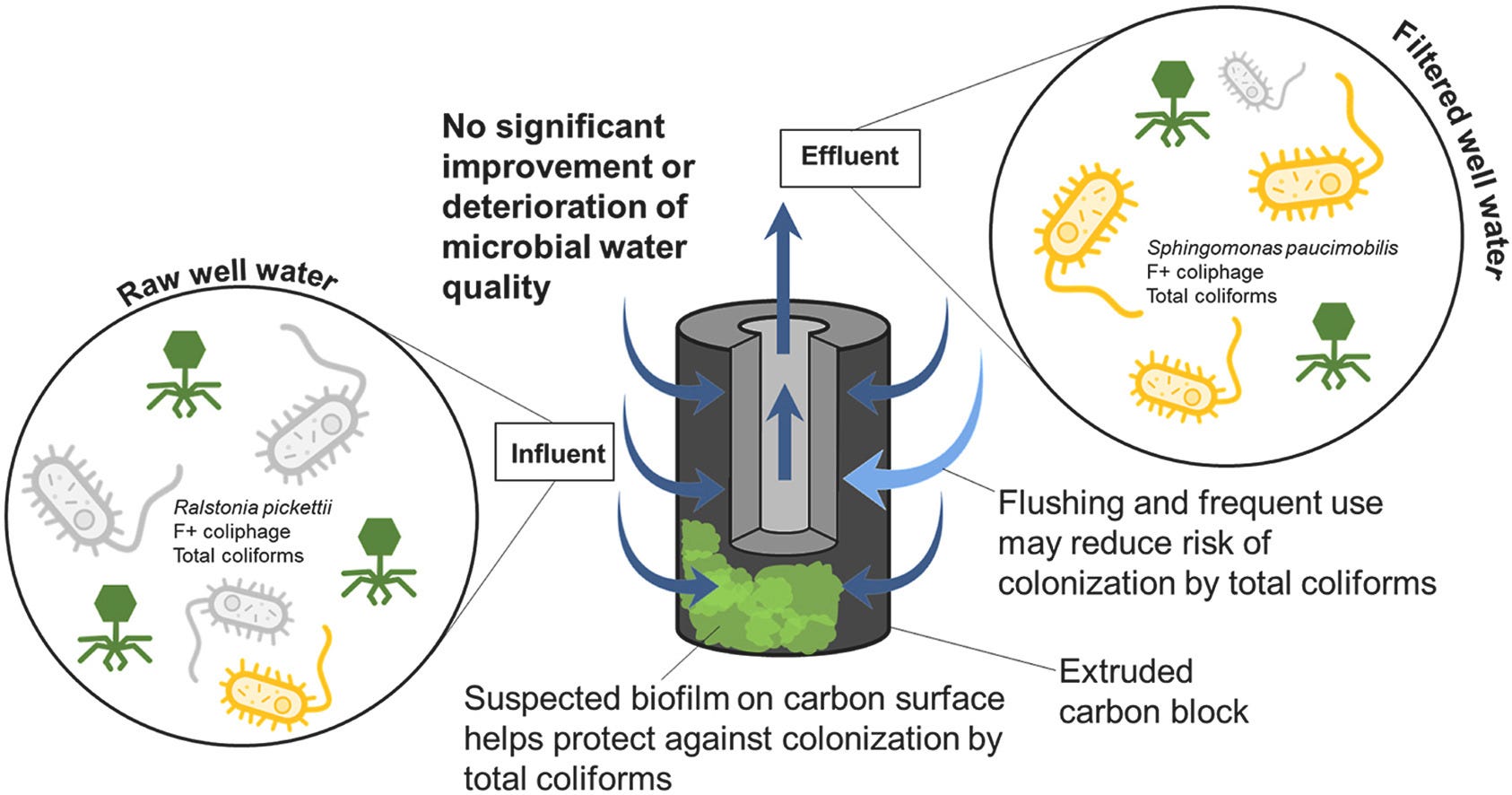
Are carbon water filters safe for private wells? Evaluating the occurrence of microbial indicator organisms in private well water treated by point-of-use activated carbon block filters. (2021). International Journal of Hygiene and Environmental Health. https://doi.org/10.1016/j.ijheh.2021.113852
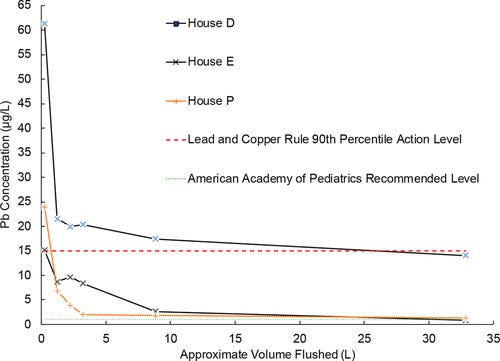
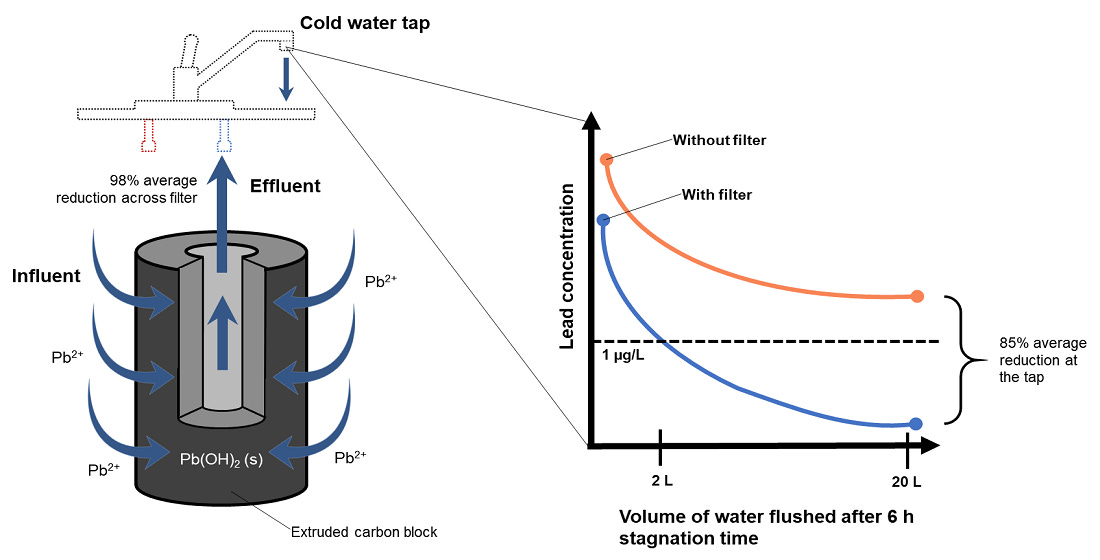
Under-sink activated carbon water filters effectively remove lead from private well water for over six months. (2020). Water. https://doi.org/10.3390/w12123584
Participatory and citizen science projects
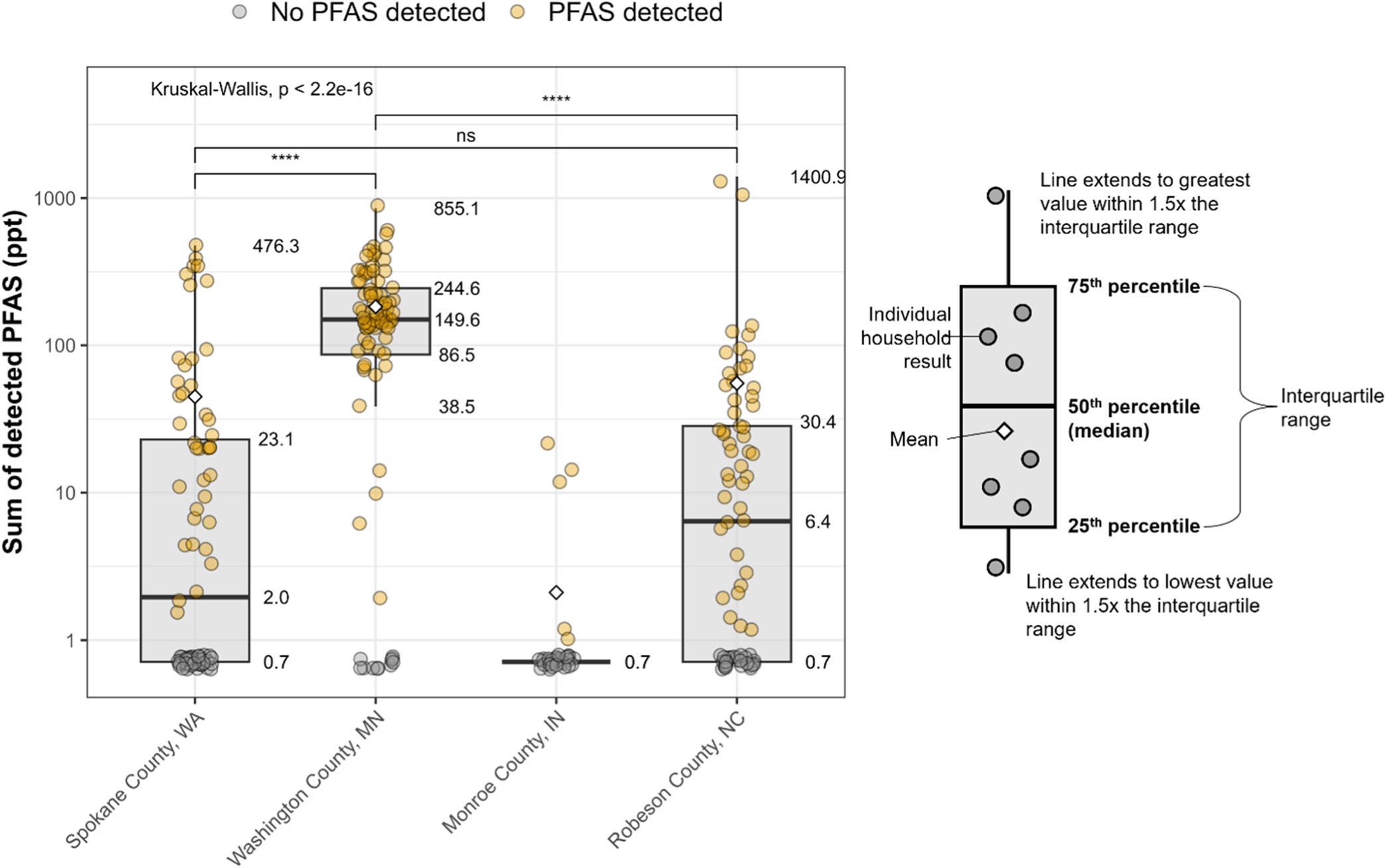
PFAS in Rural U.S. Well Water: Using Participatory Science to Identify and Communicate Results to Address Risks. (2025). Environmental Science and Technology. https://pubs.acs.org/doi/10.1021/acs.est.5c02521
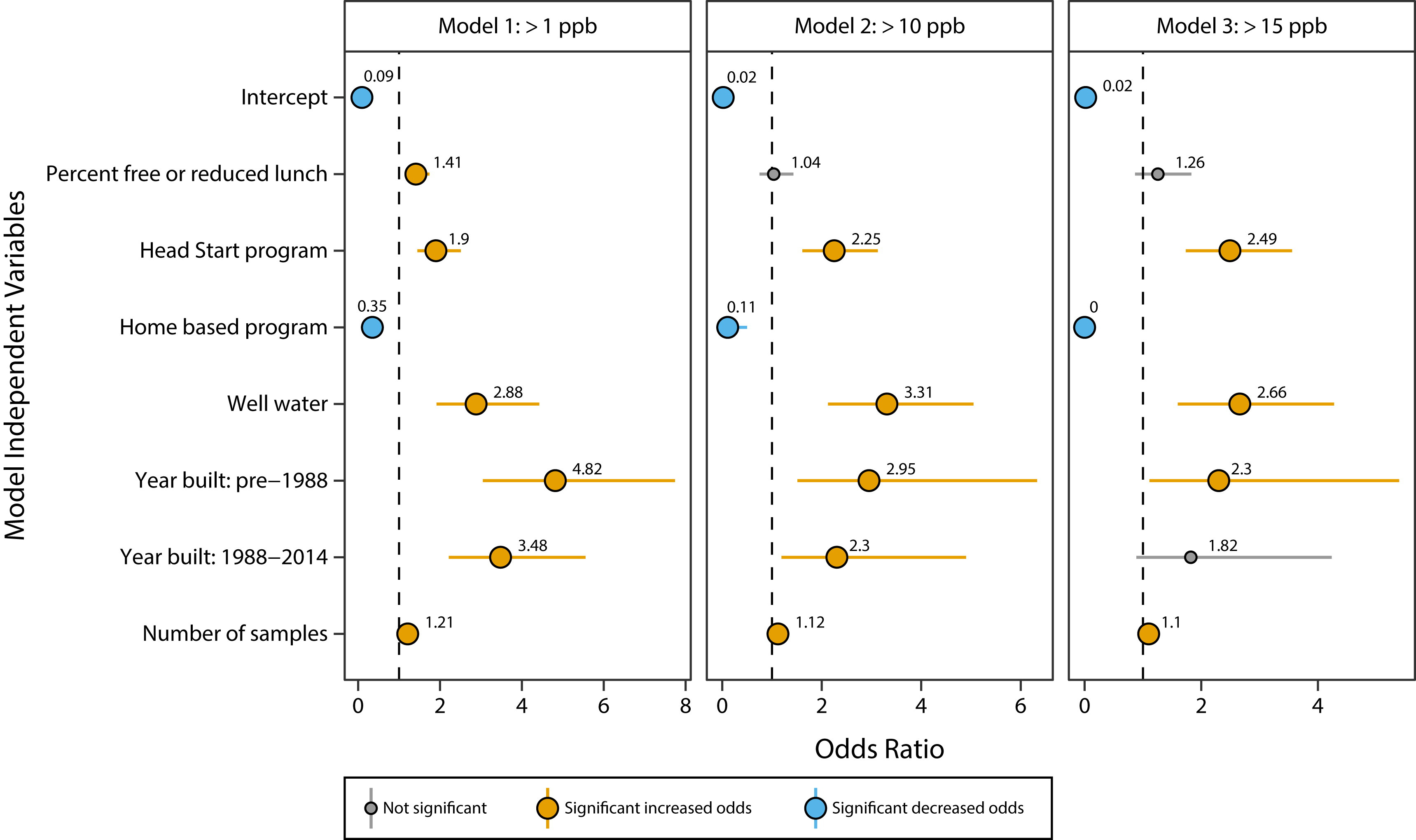
Lead Levels in Tap Water at Licensed North Carolina Child Care Facilities, 2020-2021. (2022). American Journal of Public Health. https://doi.org/10.2105/AJPH.2022.307003.
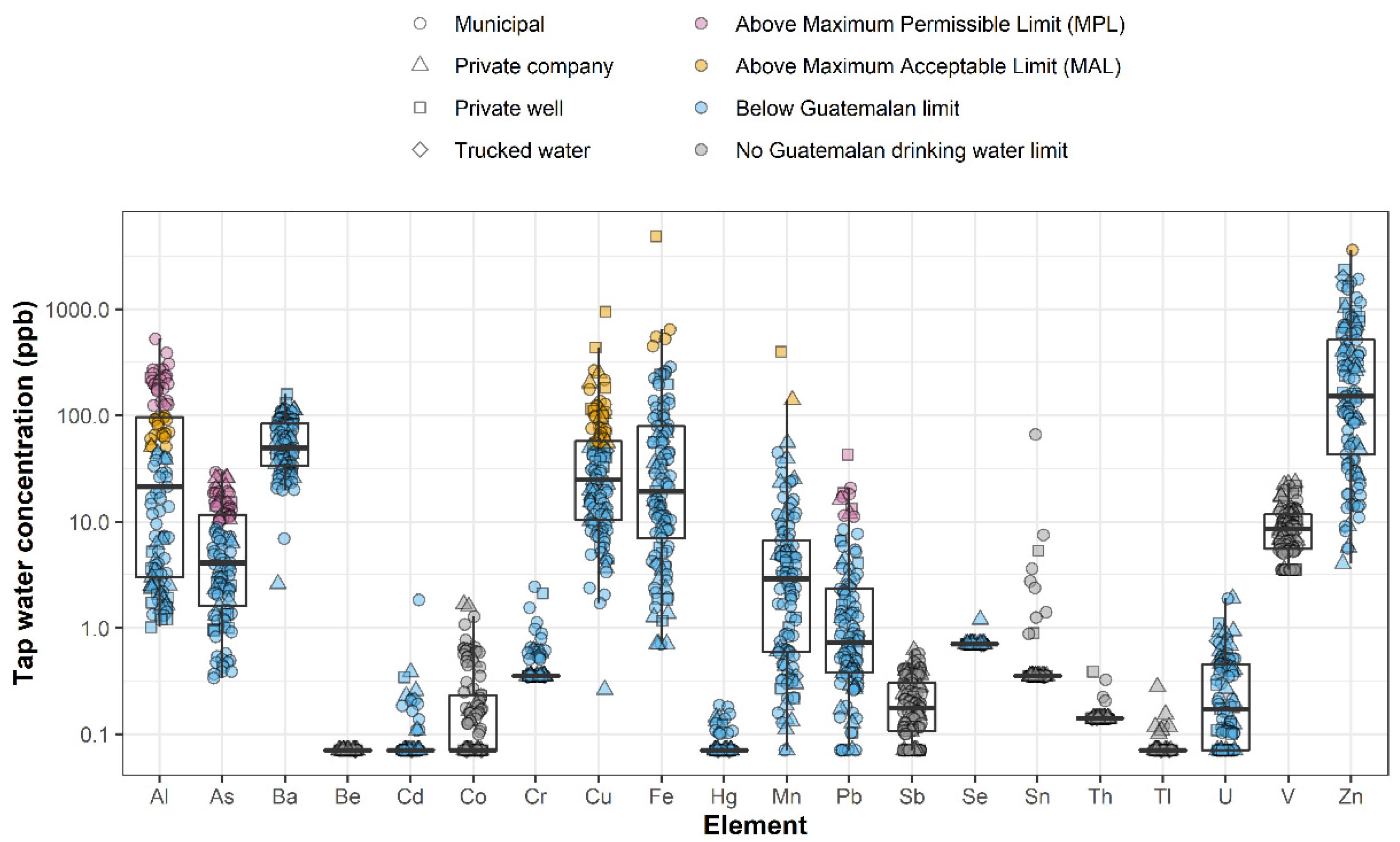
A Participatory Science Approach to Evaluating Factors Associated with the Occurrence of Metals and PFAS in Guatemala City Tap Water. (2022). International Journal of Environmental Research and Public Health. https://doi.org/10.3390/ijerph19106004.
Community impacts of mining
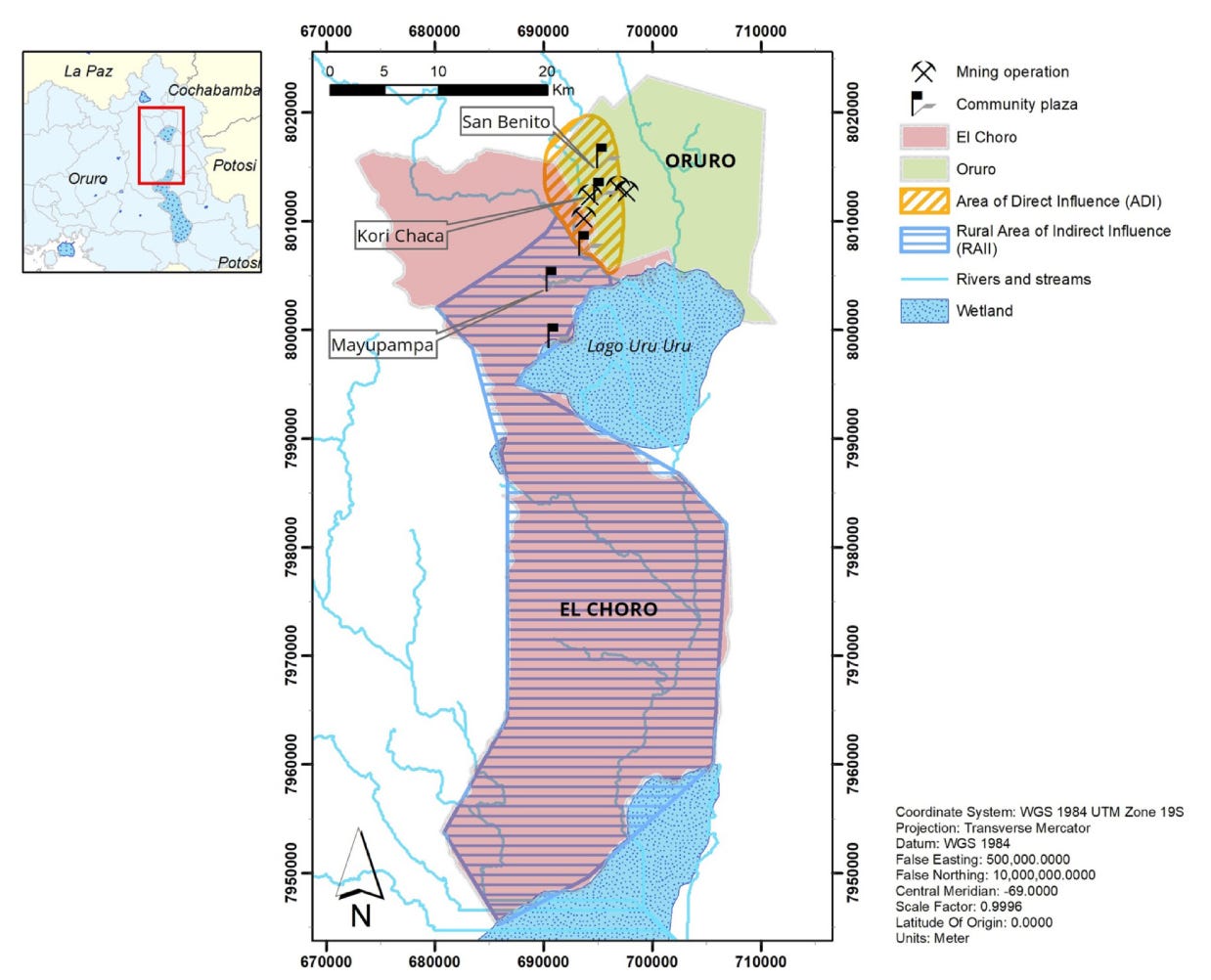
Contesting the social license to operate: Competing visions and community exclusion on the Bolivian altiplano. (2020). The Extractive Industries and Society. https://doi.org/10.1016/j.exis.2020.08.014
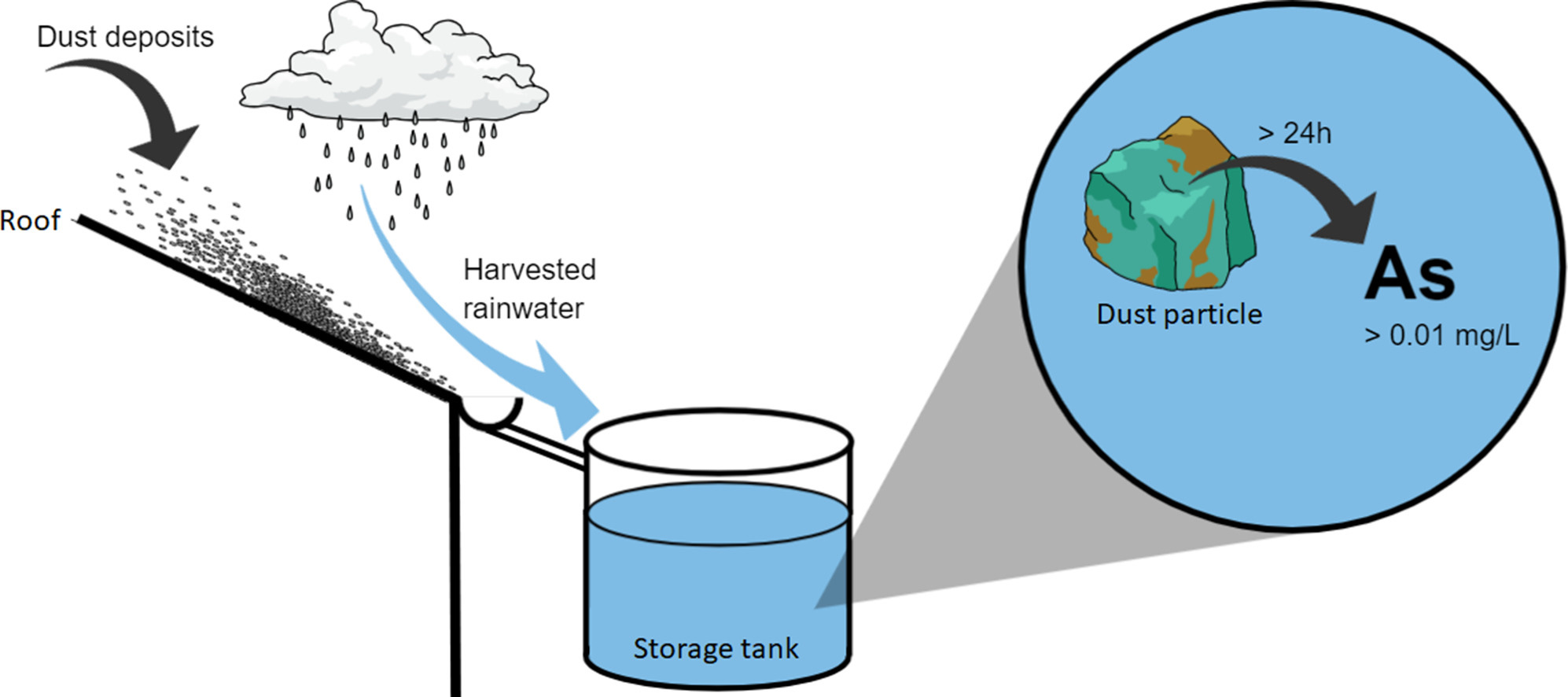
Arsenic contamination in rainwater harvesting tanks around Lake Poopó in Oruro, Bolivia: An unrecognized health threat. (2019). Science of the Total Environment.https://doi.org/10.1016/j.scitotenv.2019.06.126